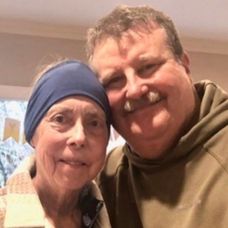
For years my wife Laurie was my caretaker as we battled my prostate cancer: Surgery, Radiation, and Hormone Therapy. Thankfully, my cancer is now in check. Laurie was always there beside me.
Then last September the roles reversed: Laurie was diagnosed with metastatic pancreatic cancer. The woman who was caring for me through my own treatments was told her cancer would soon end her life.
I've been the man in the hospital bed, and I've been the man in the chair beside it. Both of these perspectives taught me more about myself and my wife.
Men’s health ripples to spouses, families, and communities.
Laurie was my wife for forty-five years and my best friend for all of them. If you'd asked her what she was proudest of, she'd have waved the question away and asked about you instead — your day, your family, what she could do to help. That was how she walked into every room.
We decided to fight her cancer together, and for the next nine months I was her caretaker.
I'd spent a career telling people what to do, usually at volume. None of it prepared me for this. The shopping, the laundry, the meals, the bills, the appointments, the pills. Hours on hold. And underneath all of it, the work of keeping somebody's spirits up while your own are waning.
What I did for a living was a cakewalk next to what my wife had quietly been doing throughout my treatment, and I had never once seen it properly. And not once in all years of her looking after me, or once in all the months of chemotherapy, nausea and pain did she complain.
For forty-five years we'd started and finished every day the same way:
‘Good morning, beautiful’, ‘good morning, handsome’.
‘Good night, beautiful’, ‘good night, handsome.’
Every morning during her treatment I wrote her a note: ‘Good morning, beautiful. Here's what your day looks like. I love you’. I still have hundreds of the notes at my home.
Movember released a report last year, the Real Face of Men's Health, that found 44% of caretakers say their own mental health declined while looking after someone. I can relate to that. I was telling everyone I had it handled, but caretaking took me down to two hours of sleep a night. Being a part of the Movember community is a big reason I eventually picked up the phone and asked for help. I've stood up at events for years telling men it's okay not to be okay, that asking for help isn't weakness, that you look after your mental health as well as your physical. I'd heard that message. I understood it. I preached it. Then I had to live it, and it turned out to be exactly true. You don't have to be Superman, and sometimes the best thing you can do for someone you love is admit you can't do everything on your own.
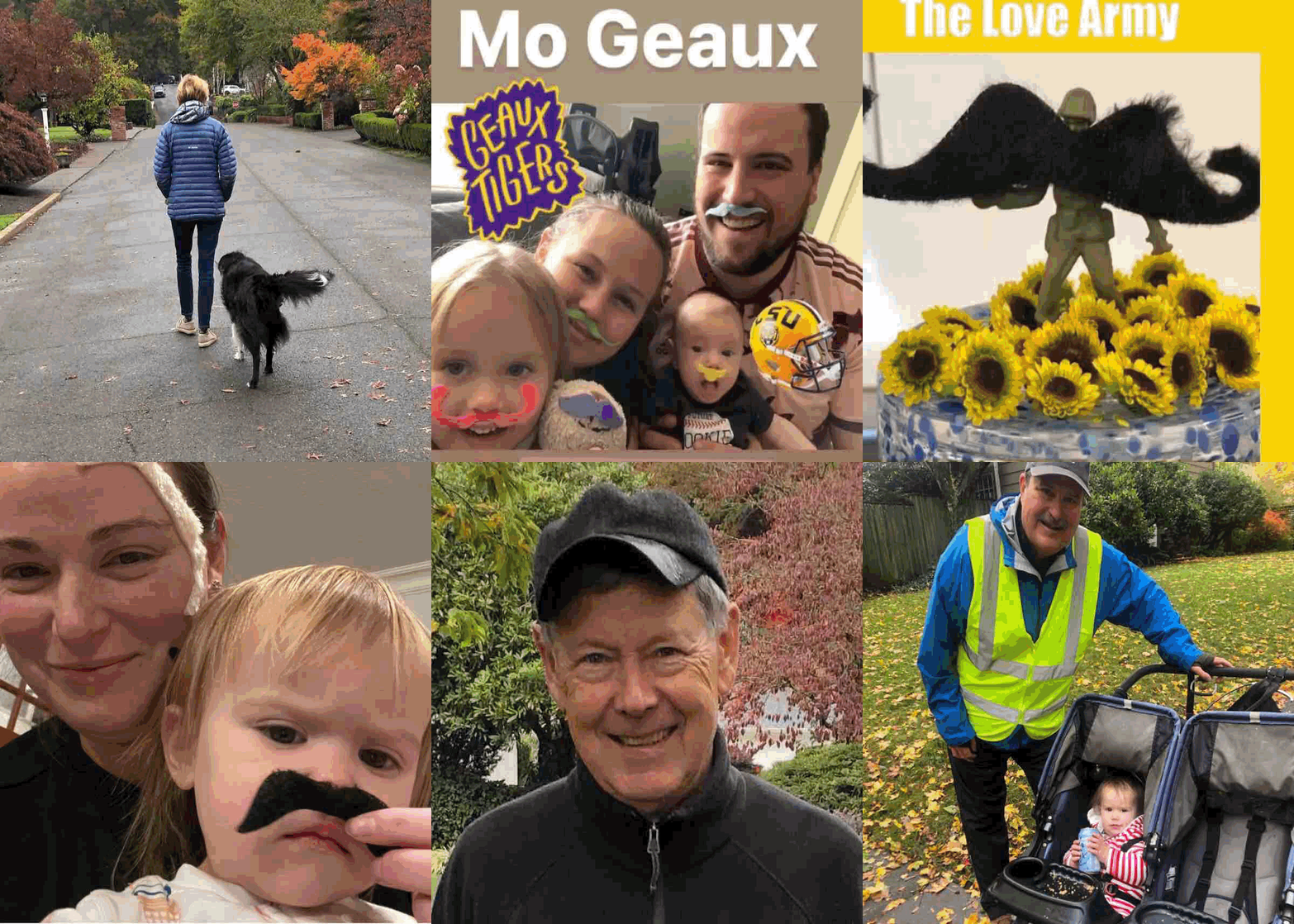
So our family led by our sons, Stephen and Matt, came and stayed. Our extended family and friends including Laurie’s sister Mirnie, friends Bob & Joan from SoCal as well as Laurie’s Beaverton “Twandas” organized themselves around her. Paige from Roaming Goats Healing Arts, delivered meals for us and also spent some nights so I could sleep. And those nine months, hard as they were, were incredibly rewarding. I wouldn’t have wanted to be anywhere else. That’s another finding in Movember’s research. Whatever else caretaking costs, it gives back a closer relationship with the person you're caring for.
Laurie was still teaching me, right to the end. Laurie passed on June 12th, at home, holding my hand, in the house she'd been brought back to as a newborn. She was 68.
So this is what I’d ask of you:
If you’re a man, go and get checked for prostate cancer. A PSA test saved my life.
If you're caring for someone else, check in with yourself as well. You spend your days tracking somebody else's appointments and health, and nobody is tracking yours.
And all of us should be doing what exactly what my love, my bride, my best friend - Laurie - did:
She asked every person she met what she could do to make their day better. And she did it. So go ask somebody you care about today.
And when somebody asks you, tell them the truth.
 Share page